Exploring Minimalism in Folk Art: Terrance Greer
Minimalism in art often evokes images of stark landscapes and simple forms, but when it comes to folk art, this concept takes on a unique and vibrant character. One artist who embodies this blend of minimalism and folk art is Terrance Greer. His work invites viewers to explore the beauty of simplicity while celebrating cultural narratives. In this blog post, we will delve into Greer's artistic journey, the principles of minimalism in folk art, and how his creations resonate with audiences today.
The Artistic Journey of Terrance Greer
Terrance Greer is a contemporary folk artist whose work reflects a deep connection to his cultural roots. Born and raised in a small town, Greer was influenced by the traditions and stories of his community. His journey into the world of art began at a young age, where he found solace in creating pieces that told stories of his heritage.
Greer's artistic style is characterized by bold colors, simple shapes, and a focus on narrative. He often draws inspiration from the folklore and traditions of his upbringing, weaving these elements into his minimalist designs. This approach allows him to convey complex emotions and stories through seemingly simple forms.
Early Influences
Greer's early influences include local artisans and the vibrant culture of his hometown. He often cites the folk tales told by his grandparents as a significant source of inspiration. These stories, rich in symbolism and meaning, have shaped his artistic vision and continue to inform his work.
Transition to Minimalism
As Greer developed his style, he began to embrace minimalism. This transition was not about stripping away complexity but rather about distilling his ideas to their essence. He realized that by simplifying his forms and focusing on key elements, he could create a more powerful impact. This shift allowed him to explore themes of identity, community, and tradition in a fresh and engaging way.
Understanding Minimalism in Folk Art
Minimalism in folk art is often misunderstood. While minimalism traditionally emphasizes simplicity and reduction, in the context of folk art, it can also celebrate cultural richness and storytelling. Here are some key principles that define minimalism in this genre:
Simplicity of Form
Minimalist folk art often features clean lines and uncomplicated shapes. This simplicity allows the viewer to focus on the underlying message or story. For example, Greer's use of geometric patterns and bold colors creates a striking visual impact while maintaining a sense of clarity.
Emphasis on Color
Color plays a crucial role in minimalist folk art. Greer often uses a limited color palette to evoke specific emotions or themes. By choosing colors thoughtfully, he enhances the narrative quality of his work. For instance, warm tones may convey a sense of nostalgia, while cooler hues can evoke tranquility.
Cultural Narratives
At its core, folk art is about storytelling. Minimalism in this context does not diminish the narrative; instead, it amplifies it. Greer's pieces often reflect personal and communal stories, inviting viewers to engage with the cultural narratives embedded in his work. This connection to heritage is a hallmark of his artistic practice.
Terrance Greer's Notable Works
Greer's portfolio is a testament to his unique approach to minimalism in folk art. Here are a few notable works that exemplify his style:
"Whispers of the Past"
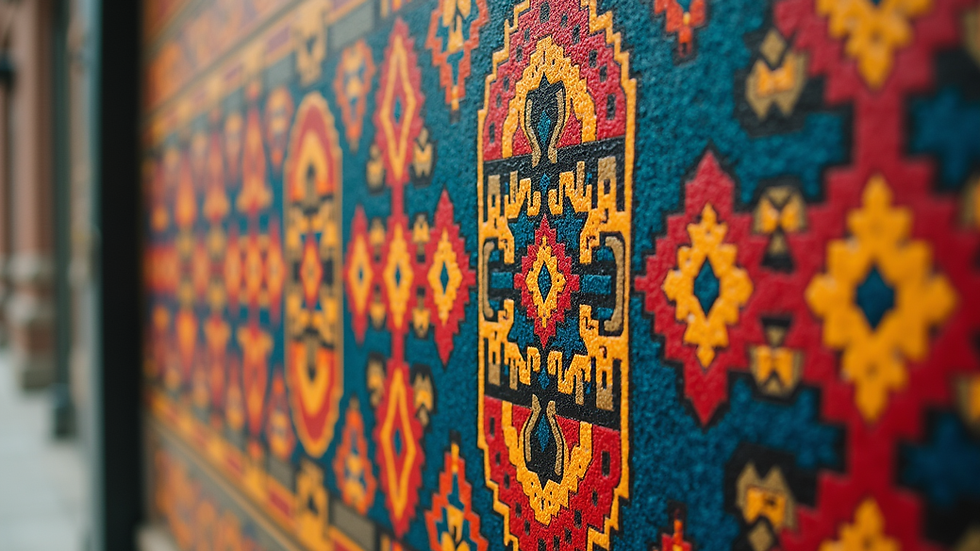
This piece features a series of geometric shapes in bright colors, representing the stories passed down through generations. The simplicity of the design allows viewers to interpret the piece in various ways, making it a conversation starter in any space.
"Roots and Wings"
In "Roots and Wings," Greer explores the theme of identity and belonging. The artwork combines minimalistic forms with intricate details that symbolize the artist's journey. The use of contrasting colors highlights the tension between tradition and modernity, inviting viewers to reflect on their own experiences.
"Harmony in Simplicity"
This piece embodies the essence of minimalism in folk art. With its clean lines and harmonious color scheme, "Harmony in Simplicity" encourages viewers to appreciate the beauty of simplicity. Greer’s ability to convey complex emotions through minimalistic design is evident in this work.
The Impact of Greer's Work
Terrance Greer's art resonates with a diverse audience, bridging the gap between traditional folk art and contemporary minimalism. His ability to tell stories through simple forms allows viewers to connect with their own experiences and cultural narratives. Here are some ways Greer's work has made an impact:
Cultural Preservation
By incorporating elements of his heritage into his art, Greer plays a vital role in preserving cultural narratives. His work serves as a reminder of the importance of storytelling in maintaining cultural identity. This aspect of his art resonates with many who seek to honor their roots.
Inspiring New Generations
Greer's minimalist approach to folk art has inspired a new generation of artists. Many young creators are drawn to his ability to blend tradition with modern aesthetics. This influence encourages them to explore their own cultural narratives through a minimalist lens.
Engaging Communities
Greer often collaborates with local communities, using his art as a platform for dialogue and engagement. Through workshops and exhibitions, he fosters a sense of community and encourages others to share their stories. This collaborative spirit is a testament to the power of art in bringing people together.
The Future of Minimalism in Folk Art
As the art world continues to evolve, the intersection of minimalism and folk art will likely gain more attention. Artists like Terrance Greer are paving the way for new interpretations of traditional narratives. Here are some trends to watch for in the future:
Digital Integration
With the rise of digital art, many folk artists are exploring new mediums to express their minimalist visions. Greer's work may inspire others to experiment with technology while maintaining a connection to their cultural roots. This fusion of traditional and digital art forms could lead to exciting new possibilities.
Global Perspectives
As the world becomes more interconnected, the exchange of cultural narratives will continue to shape the landscape of folk art. Artists from diverse backgrounds will contribute their unique perspectives, enriching the minimalist movement. Greer's work exemplifies how cultural storytelling can transcend borders.
Sustainability in Art
The growing emphasis on sustainability will also influence the future of folk art. Artists may seek to incorporate eco-friendly materials and practices into their work. Greer's commitment to cultural preservation aligns with this trend, as he emphasizes the importance of respecting both heritage and the environment.
Conclusion
Terrance Greer's exploration of minimalism in folk art offers a fresh perspective on storytelling and cultural expression. His ability to distill complex narratives into simple forms resonates with audiences, inviting them to engage with their own experiences. As the art world continues to evolve, Greer's work serves as a reminder of the enduring power of simplicity and the importance of preserving cultural narratives.
By embracing minimalism, artists like Greer not only celebrate their heritage but also inspire future generations to explore the beauty of their own stories. Whether through bold colors, geometric shapes, or collaborative community efforts, the journey of minimalism in folk art is just beginning. As we reflect on Greer's contributions, we are left with a call to action: to seek out and share our own narratives, honoring the rich tapestry of human experience.

Comments